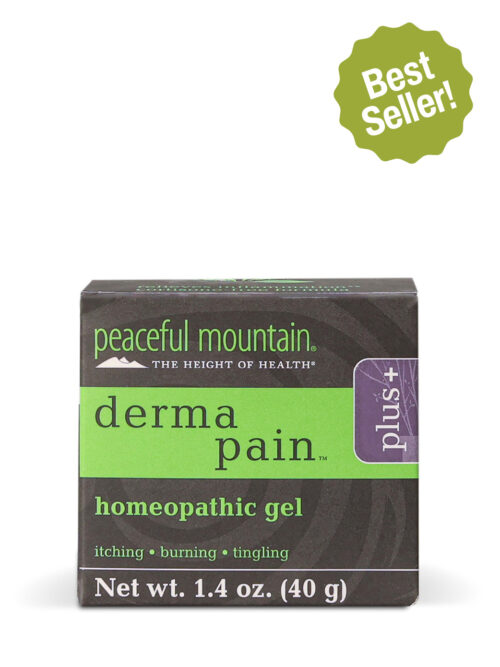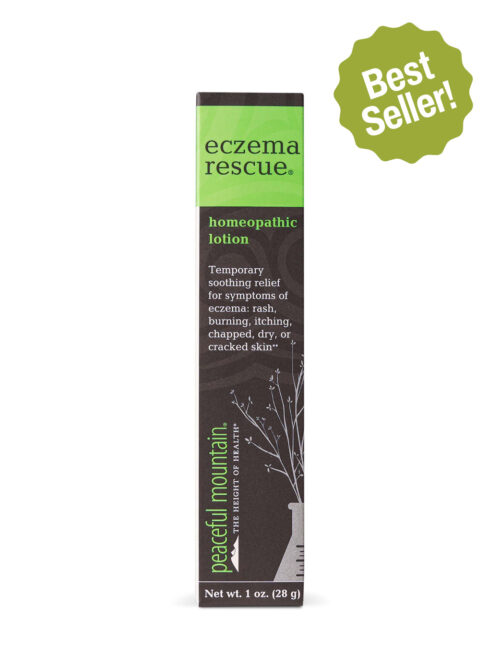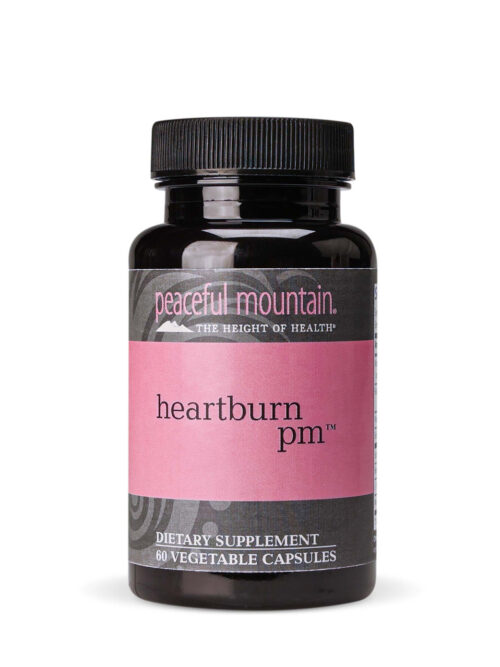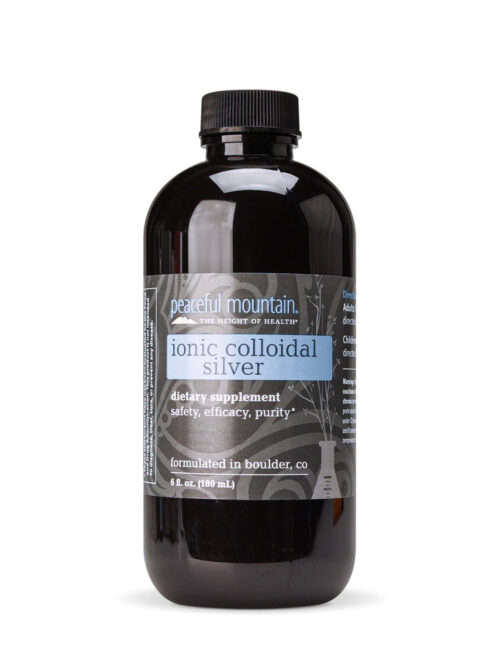
view cart

You have 0 items in your cart

Subtotal: $0.00 | View Cart


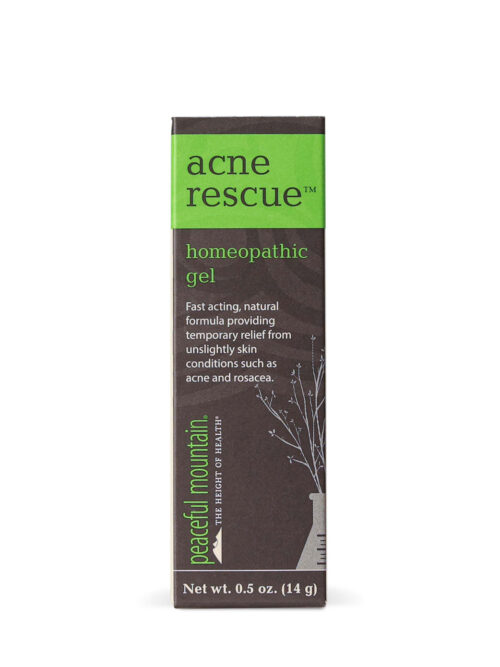
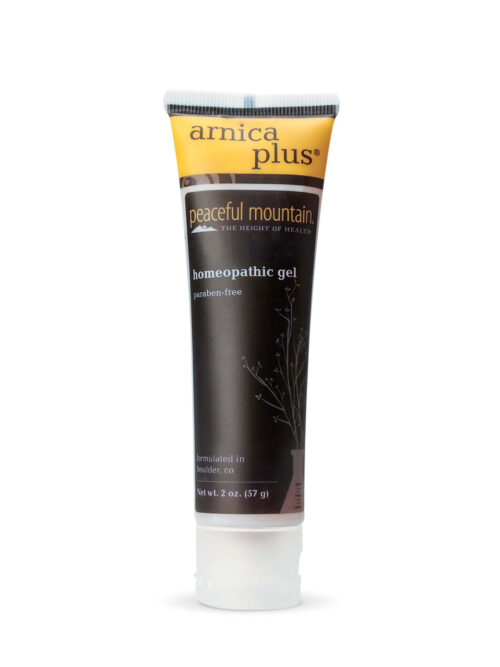
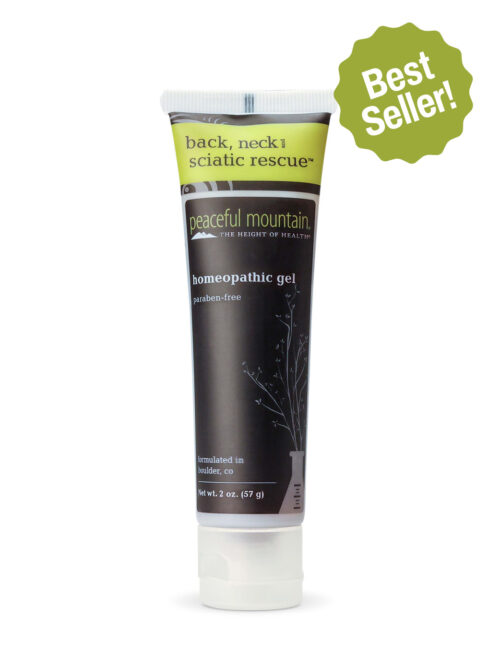
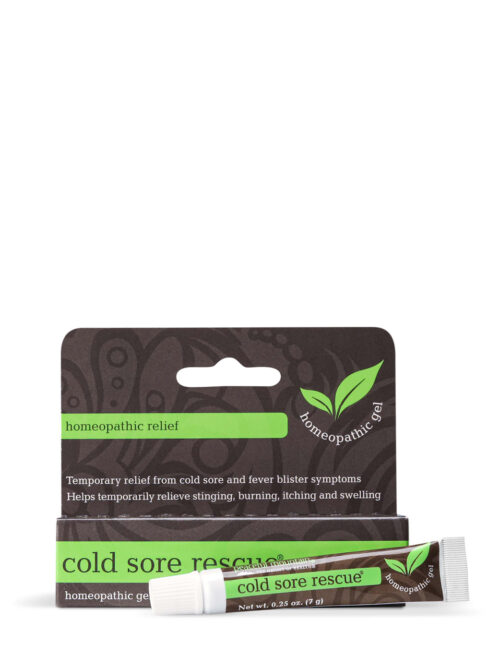
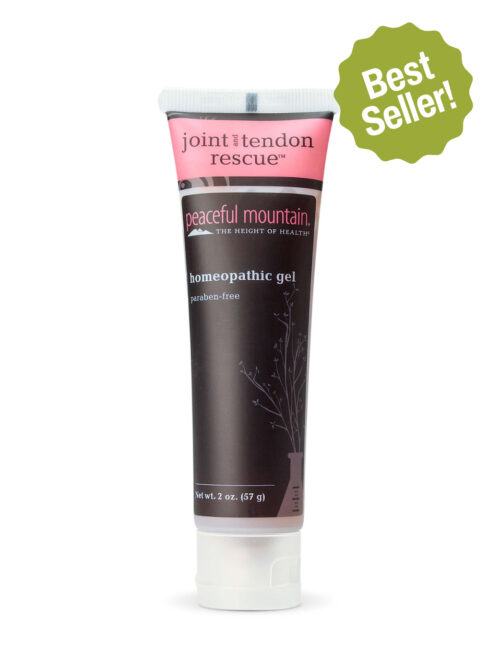
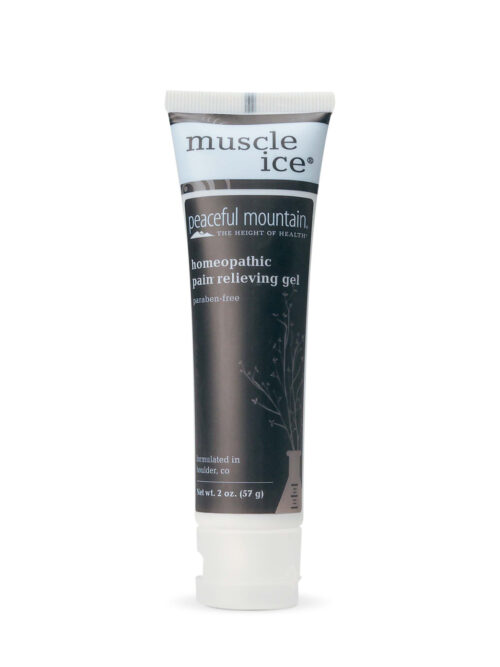
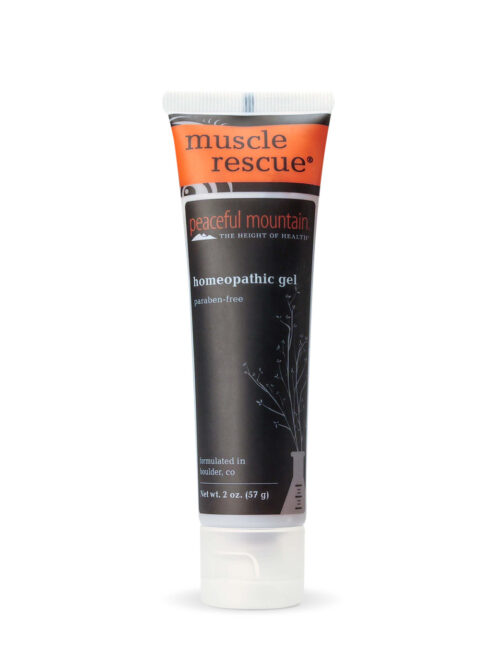
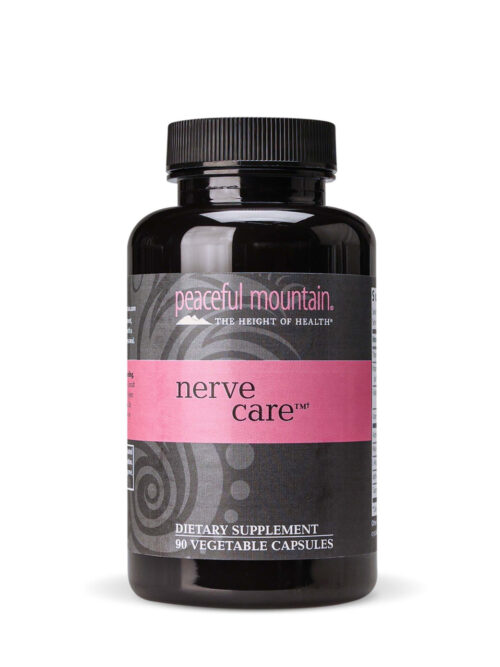
the rescue line


more info

Shipping and Return Policies

Read The Ingredients

read the ingredients

A comprehensive list of ingredients used by Peaceful Mountain, Inc. in their products. Products are also listed with their uses according to the Physician’s Desk Reference for Herbal Medicine. Oils and Preservatives are listed with their descriptions according to their manufacturers.

(*certified organic, **certified wild-crafted)


Turmeric*

It is used for inflammation, wounds and skin ulcers. The anti-inflammatory effects of turmeric are thought to be due to inhibition of leukotriene biosynthesis, and through this inhibition, a change in prostaglandin production.8

Blood Root**

Has been shown to have antimicrobial, anti-inflammatory, and anti-plaque properties. Used topically due to its anti-inflammatory effects because of its high concentration of sanguinarine.1

Black Cohosh*

The herb is available commercially with St. John’s Wort for depressive moods associated with premenstrual and menopausal symptoms. A significant reduction in frequency and severity of hot flashes in premenopausal breast cancer survivors was observed following a 12-month treatment with Black Cohosh.9

Neem*

This herb has anti-inflammatory and antipyretic properties as well as an anthelmintic effect.2

Devil’s Claw*

Devil’s Claw is used as an ointment for skin injuries and disorders. The dried root is used for pain relief; pregnancy discomforts; arthritis; allergies; metabolic disorders; and kidney, bladder, liver and gallbladder disorders.10

Calendula flowers*

Externally, marigold is used for inflammation of the oral and pharyngel mucosa, poorly healing wounds, leg ulcers, to clean wounds and for acute and chronic skin inflammation. Marigold has been used extensively as a folk medicine. Externally it is used for varicosis, vascular disease wounds, inflammatory skin disease, proctitis, and conjunctivitis. It is a constituent in treatments for sore, dry skin, bee stings, and frostbite.11

Mexican Wild Yam**

Wild Yam has an antispasmodic, and a mild diaphoretic effect. The root of the plant is used as a precursor for manufacturing progesterone and estrogen. Wild yam is used for rheumatic conditions, gallbladder colic, dysmenorrhea, and cramps.12

Sage*

Sage is used externally for inflammation of the mucous membranes of the nose and throat. In folk medicine, the drug is used externally as a rinse and gargle for light injuries and skin inflammation, bleeding gums, stomatitis, laryngitis, pharyngitis and for firming the gums.13

Lemon Balm*

In folk medicine, it is used externally for rheumatism, nerve pains and stiff necks (compress). Homeopathy uses it for menstrual irregularities.14

Poke Root** and Poke Berry

The berry’s of this wild plant have an antiviral effect and the saponins have an emetic effect. The root has antiedemic and immune-stimulating properties and its saponins also have an emetic effect. Typically used for skin ulcers, mumps, and other skin conditions.3

Celery Seed*

Folk medicine use of celery and preparations of celery are used as a diuretic, for regulating the bowels, for glandular stimulation, rheumatic complaints, gout, gallstones, and kidney stones. Celery preparations are used in homeopathy for ailments of the ovaries and rheumatism.15

Peppermint*

Used in external applications due to its high menthol volume (35-45%) for muscle pain and neuralgia. It is used internally for cramps of the upper gastrointestinal tract and bile ducts, irritable colon, catarrhs of the repiratory tract, and inflammation of the oral and pharyngeal mucosa.16

Comfrey Leaf*

Comfrey exerts anti-inflammatory and antimitotic actions, and furthers the formation of callus. An in vitro study found allantoin, found in Comfrey, to accelerate wound healing. Externally, comfrey is used for bruises, sprains, pulled muscles and ligaments, and promotion of bone healing.4

Arnica

Arnica preparations have demonstrated wound-healing, anti-septic, and mild analgesic properties when applied topically. In cases of inflammation, Arnica preparations continue to show anti-septic and analgesic effects. Studies have shown Arnica applied externally as a gel as effective in the treatment of muscle ache.5

While Willow Bark*

White Willow bark is the phytotherapeutic precursor to aspirin. It’s useful in diseases accompanied by fever, rheumatic ailments, headaches and pain caused by inflammation.6

Chapparal**

This herb has potent and long lasting anti-inflammatory and analgesic effects in the treatment of arthritis. Traditionally used to relieve both the inflammation and pain of joints and arthritis.7

Lavender*

Externally, Lavender is used for treatment of functional circulatory disorders. In folk medicine, it is used for rheumatic conditions (the drug as an extract in liniments), as a sedative in cases of tension, exhaustion; also for poorly healing wounds (lavender baths) and for sleep as aromatherapy (herb pillow).18

Witch Hazel**

Witch Hazel is used externally for minor injuries of the skin, localized inflamed swelling of the skin and mucous membranes, hemorrhoids and varicose veins. It is also used in folk medicine for inflammation of the mucosa of the colon, hematemesis and hemoptysis.19

Yarrow*

Used externally as a palliative treatment for liver disorders and for the healing of wounds. Also used for bleeding hemorrhoids, menstrual complaints, and as a bath for the removal of perspiration.20

Rosemary*

Is mildly antimicrobial and antiviral (probably because of the diterpenes). Rosemary is used internally for dyspeptic disorders and externally for hypotonic circulatory disorders and rheumatic conditions.21

St. John’s Wort*

A well known herb with antimicrobial and antifungal effects. Used externally for the treatment and post-therapy of acute and contused injuries and for first-degree burns. Administered externally as a lotion for dermatoses and for the treatment of myalgia.23

Chaste Tree Berry*

Chaste Tree preparations are used to treat irregularities of the menstrual cycle, premenstrual complaints, and mastalgia/mastodynia.22

Aloe Vera

Common plant with antibacterial, antiviral, anti-inflammatory and analgesic effects. Used topically, aloe vera depresses potential generation and conduction at neuromuscular junction processes and increases collagen content of the tissue to contribute to wound healing.24

Jamaica Dogwood**

Research has shown Jamaica Dogwood to have mild sedative properties and is used as a spasmolytic or antispasmodic to relieve or prevent spasms, especially in smooth muscles.25


Oils

Avocado*

A rich oil that contains high amounts of Vitamins A, B1, B2, D and E, and amino acids, sterols, pantothenic acid, lecithin and essential fatty acids.30

Kukui Nut

High penetrability and soothing properties, this oil contains linoleic and alpha-linolenic essential fatty acids. Readily absorbed and good for dry skin.30

Macadamia Nut*

High in mono-unsaturated fatty acids, this oil closely resembles sebum, the oil your skin naturally produces. Protective, highly absorbed, and often used for irritations.30

Rosehip Seed*

Extremely high in essential fatty acids and ideal for dry and weathered skin. Richly colored oil with distinct Rosehip smell.30


Preservatives

Potassium Sorbate

Potassium sorbate is a common food grade preservative used to inhibit the growth of mold and yeast; It is a chemical preservative food additive that is also used in many cosmetics and supplements in place of parabens.27

Originox

Originox is derived from Origanum vulgare, (oregano) a species belonging to the Labiatae family of herbs, like Rosemary, Sage and Melissa. It is a free radical scavenger, an anti-allergic agent and an anti-inflammatory agent.29

Vitamin C

An important biological antioxidant and has been a popular nutritional supplement for decades. Vitamin C often used to prevent or ameliorate a wide variety of infections and to enhance the effectiveness of the immune system. It is popular as a promoter of connective-tissue health in conditions such as minor trauma and capillary fragility.17

Vitamin E

An important fat-soluble vitamin. Vitamin E is extremely versatile in both preventive and therapeutic applications and has antioxidant, immunomodulation and antiplatelet effects.26


Gelling Ingredient(s)

Carbomer

A gelling agent designed to efficiently impart thickening, stabilizing, and suspending properties to a variety of personal care applications.28 Is used in less than 1% in all formulas using carbomer.


Bibliography

  1. Murray, Lori, and Bette Lagow, eds. PDR for Herbal Medicines. 3rd ed. Montvale, NJ: Thomson PDR, 2004. 112-113.
  2. Murray, Lori, and Bette Lagow, eds. PDR for Herbal Medicines. 3rd ed. Montvale, NJ: Thomson PDR, 2004. 588.
  3. Murray, Lori, and Bette Lagow, eds. PDR for Herbal Medicines. 3rd ed. Montvale, NJ: Thomson PDR, 2004. 648.
  4. Murray, Lori, and Bette Lagow, eds. PDR for Herbal Medicines. 3rd ed. Montvale, NJ: Thomson PDR, 2004. 222-223.
  5. Murray, Lori, and Bette Lagow, eds. PDR for Herbal Medicines. 3rd ed. Montvale, NJ: Thomson PDR, 2004. 41-43.
  6. Murray, Lori, and Bette Lagow, eds. PDR for Herbal Medicines. 3rd ed. Montvale, NJ: Thomson PDR, 2004. 875.
  7. Balch, Phyllis A. The Prescription for Herbal Healing. New York: Avery, 2002. 46-47.
  8. Murray, Lori, and Bette Lagow, eds. PDR for Herbal Medicines. 3rd ed. Montvale, NJ: Thomson PDR, 2004. 843-844.
  9. Murray, Lori, and Bette Lagow, eds. PDR for Herbal Medicines. 3rd ed. Montvale, NJ: Thomson PDR, 2004. 95.
  10. Murray, Lori, and Bette Lagow, eds. PDR for Herbal Medicines. 3rd ed. Montvale, NJ: Thomson PDR, 2004. 255.
  11. Murray, Lori, and Bette Lagow, eds. PDR for Herbal Medicines. 3rd ed. Montvale, NJ: Thomson PDR, 2004. 547.
  12. Murray, Lori, and Bette Lagow, eds. PDR for Herbal Medicines. 3rd ed. Montvale, NJ: Thomson PDR, 2004. 884.
  13. Murray, Lori, and Bette Lagow, eds. PDR for Herbal Medicines. 3rd ed. Montvale, NJ: Thomson PDR, 2004. 699.
  14. Murray, Lori, and Bette Lagow, eds. PDR for Herbal Medicines. 3rd ed. Montvale, NJ: Thomson PDR, 2004. 503.
  15. Murray, Lori, and Bette Lagow, eds. PDR for Herbal Medicines. 3rd ed. Montvale, NJ: Thomson PDR, 2004. 184.
  16. Murray, Lori, and Bette Lagow, eds. PDR for Herbal Medicines. 3rd ed. Montvale, NJ: Thomson PDR, 2004. 629.
  17. Murray, Lori, and Bette Lagow, eds. PDR for Herbal Medicines. 3rd ed. Montvale, NJ: Thomson PDR, 2004. 975.
  18. Murray, Lori, and Bette Lagow, eds. PDR for Herbal Medicines. 3rd ed. Montvale, NJ: Thomson PDR, 2004. 287.
  19. Murray, Lori, and Bette Lagow, eds. PDR for Herbal Medicines. 3rd ed. Montvale, NJ: Thomson PDR, 2004. 888.
  20. Murray, Lori, and Bette Lagow, eds. PDR for Herbal Medicines. 3rd ed. Montvale, NJ: Thomson PDR, 2004. 900.
  21. Murray, Lori, and Bette Lagow, eds. PDR for Herbal Medicines. 3rd ed. Montvale, NJ: Thomson PDR, 2004. 690.
  22. Murray, Lori, and Bette Lagow, eds. PDR for Herbal Medicines. 3rd ed. Montvale, NJ: Thomson PDR, 2004. 187.
  23. Murray, Lori, and Bette Lagow, eds. PDR for Herbal Medicines. 3rd ed. Montvale, NJ: Thomson PDR, 2004. 767-772.
  24. Murray, Lori, and Bette Lagow, eds. PDR for Herbal Medicines. 3rd ed. Montvale, NJ: Thomson PDR, 2004. 16-20.
  25. Murray, Lori, and Bette Lagow, eds. PDR for Herbal Medicines. 3rd ed. Montvale, NJ: Thomson PDR, 2004. 467.
  26. Murray, Lori, and Bette Lagow, eds. PDR for Herbal Medicines. 3rd ed. Montvale, NJ: Thomson PDR, 2004. 979-980.
  27. MSDS Potassium Sorbate. Sprectrum Chemical. 22 Apr. 2008 (PDF)
  28. Ultrez 21 - Carbopol Rheology Modifiers. Noveon Consumer Specialties. 22 Apr. 2008
  29. RAD Natural Technologies Ltd. RAD Natural Technologies Ltd. 22 Apr. 2008
  30. Vegetable and Carrier Oils. Mountain Rose Herbs 2008: 44-47.