
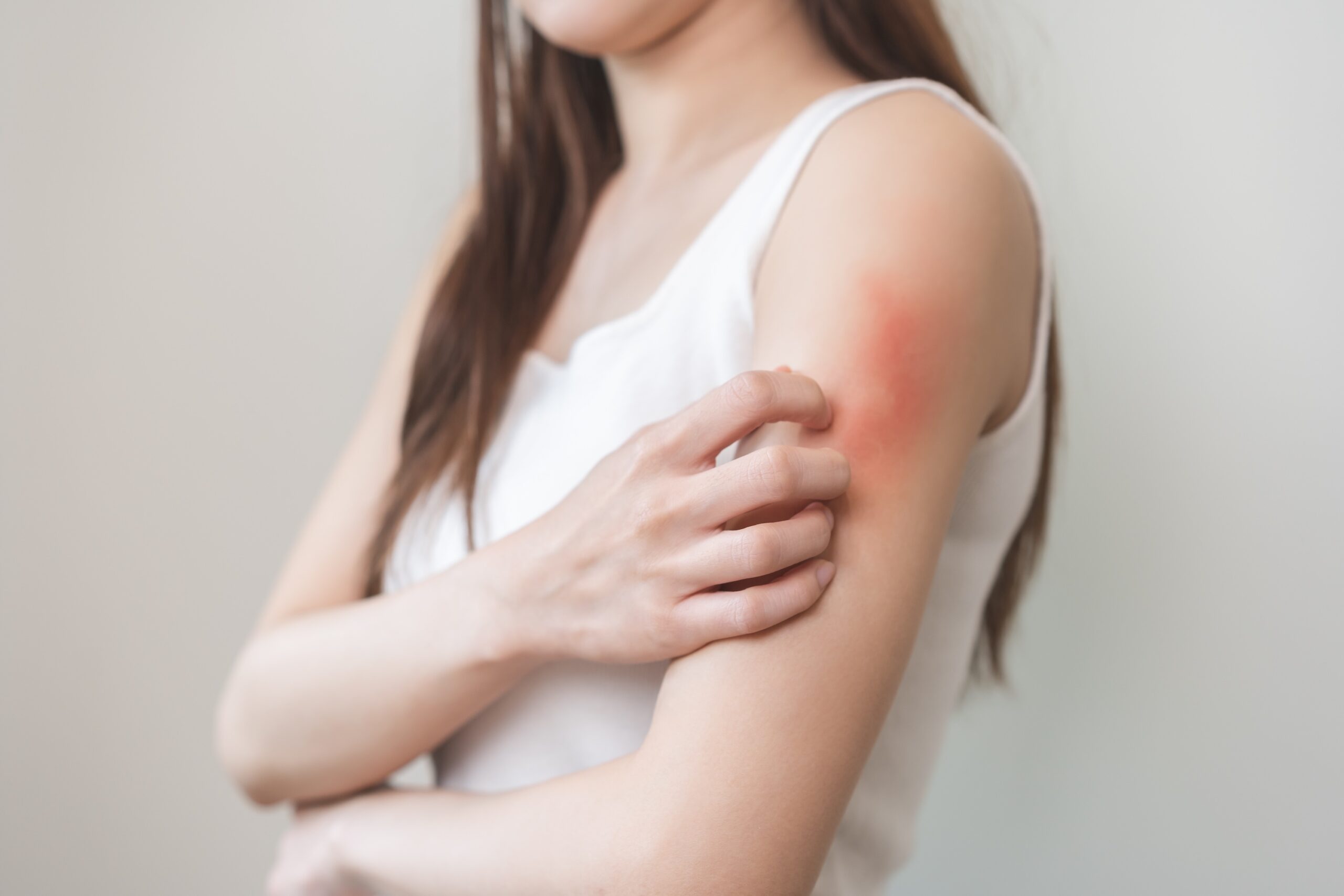
If you’re dealing with shingles, you may be wondering whether changing what you eat can help your body through the recovery process.
While there isn’t a specific diet proven to treat or cure shingles, good nutrition can support your overall health while your body is under stress. The goal isn’t a complicated list of foods you can and can’t eat, or worrying over a precise ratio of nutrients. By simply making an effort to focus on ordinary, healthy foods that are rich in lysine, using them to temporarily replace certain foods that are high in arginine, you can balance this ratio to easily support natural shingles recovery.
Start With a Balanced, Nutrient-Rich Diet
Shingles is caused by the reactivation of the varicella-zoster virus, which is the same virus that causes chickenpox. It is closely related to the herpes virus, and this entire family of viruses will tend to reactivate when lysine levels are low, especially if arginine intake is high. Luckily, most high-quality protein sources that already form the basis of a healthy diet provide the richest sources of lysine, in a favorably high ratio compared to arginine.
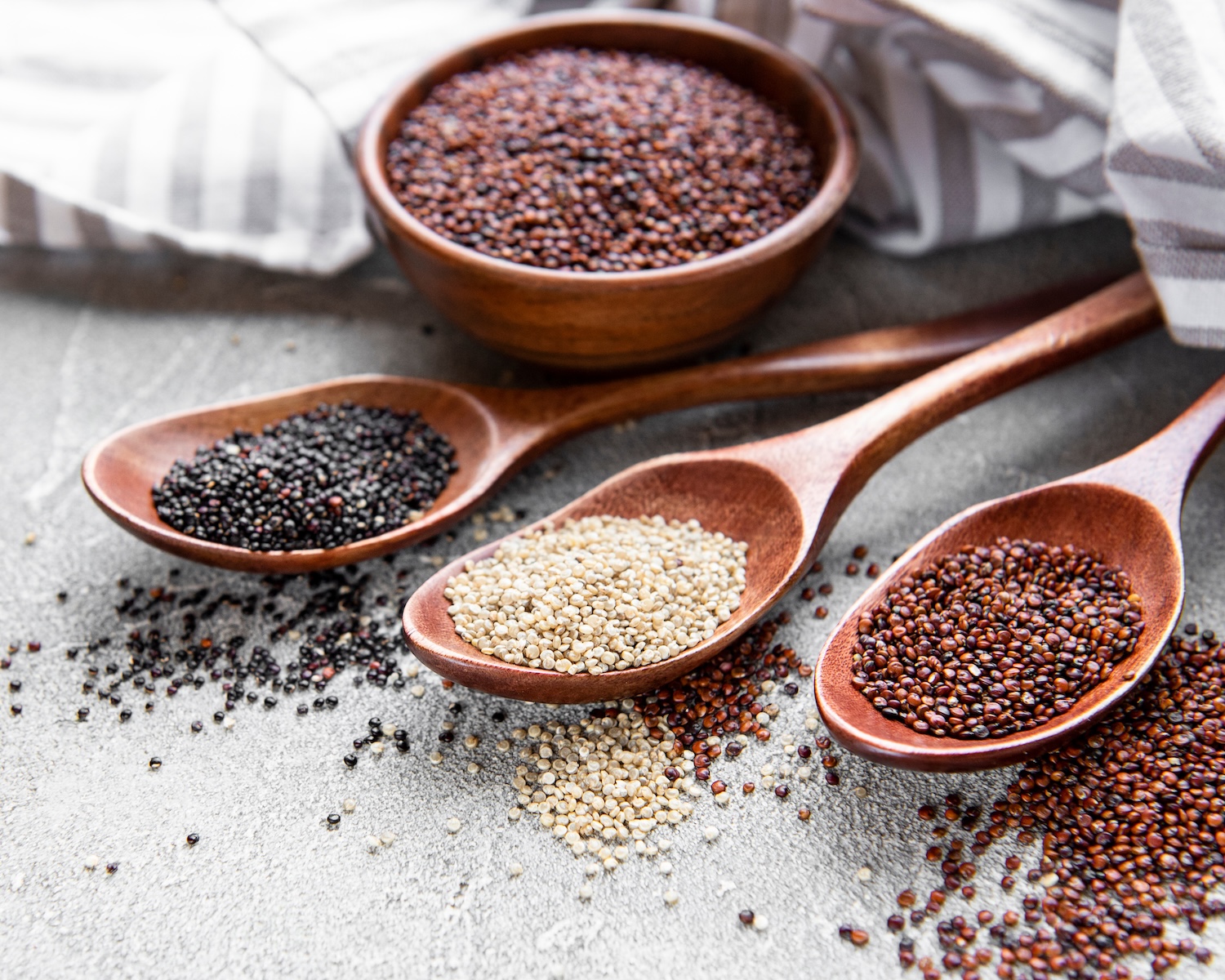
Good food choices include:
- Animal proteins, including beef, pork, chicken and turkey
- Fish and seafood, especially salmon, shrimp and oysters
- Eggs
- All dairy products, but especially yogurt, parmesan, and ricotta cheese
- Soy products, a great alternative to lysine-rich meats for vegans
- Certain grains like quinoa and amaranth, which provide much more lysine than wheat.
Don’t feel like every meal has to be perfect, or that any food high in arginine needs to be avoided. Any complete protein source will contain some arginine, and it’s not avoiding arginine in food that counts, but consuming a good ratio with plenty of lysine.
Why Do Lysine and Arginine Matter?
You may have seen recommendations to eat more foods containing lysine and to avoid foods high in arginine during a shingles outbreak. Both are amino acids naturally found in food. There is scientific evidence that viruses in the herpes family, like the varicella-zoster virus responsible for shingles, is able to replicate much faster when arginine levels are high. Additionally, arginine becomes less available for viral replication when lysine levels are high.
That doesn’t mean you need to avoid naturally arginine-rich foods, or consume lysine-rich foods exclusively. The balance is what matters, and when foods such as like meat, eggs, dairy, soy and quinoa form the majority of the diet, there’s no need to eliminate nutritious foods simply because they contain arginine.
Foods to Limit
Rather than focusing on a long “do not eat” list, consider replacing protein and calorie options that provide a high ratio of arginine to lysine. Wheat is possibly the worst offender in this regard, so limiting this grain during an outbreak can be helpful
What to avoid:
- Wheat, corn, and oats (consider quinoa or potatoes as alternatives)
- Nuts and seeds (consider egg salad or sliced meat for sandwiches instead of peanut butter)
- Squash (use lysine-rich tomatoes and mushrooms for hearty soups and salads)
- Chocolate (this can be tough, but non-chocolate flavors of ice cream and frozen yogurt can contain up to twice more lysine than arginine)
Think of emphasizing nourishing alternatives, rather than restricting foods you normally enjoy.
Don’t Forget the Basics
Food is only one piece of taking care of yourself during shingles. Give yourself permission to rest. Stay hydrated. Choose loose, comfortable clothing if your skin is sensitive. Cool compresses, oatmeal baths and calamine lotion may also help soothe the skin.
And don’t rely on diet alone to manage shingles. Antiviral medications may reduce the severity and duration of shingles, particularly when treatment begins early. Contact a healthcare professional if you think you may have shingles. Additionally, homeopathic skin remedies such as DermaPain Plus, formerly known as Shingle Rescue, can help to provide comfort during the healing process.
This article is for educational purposes and is not intended to diagnose, treat, cure or prevent disease or replace advice from a qualified healthcare professional. If you have or suspect shingles, contact your healthcare provider.
 How to Prevent Soreness from Spring Activities